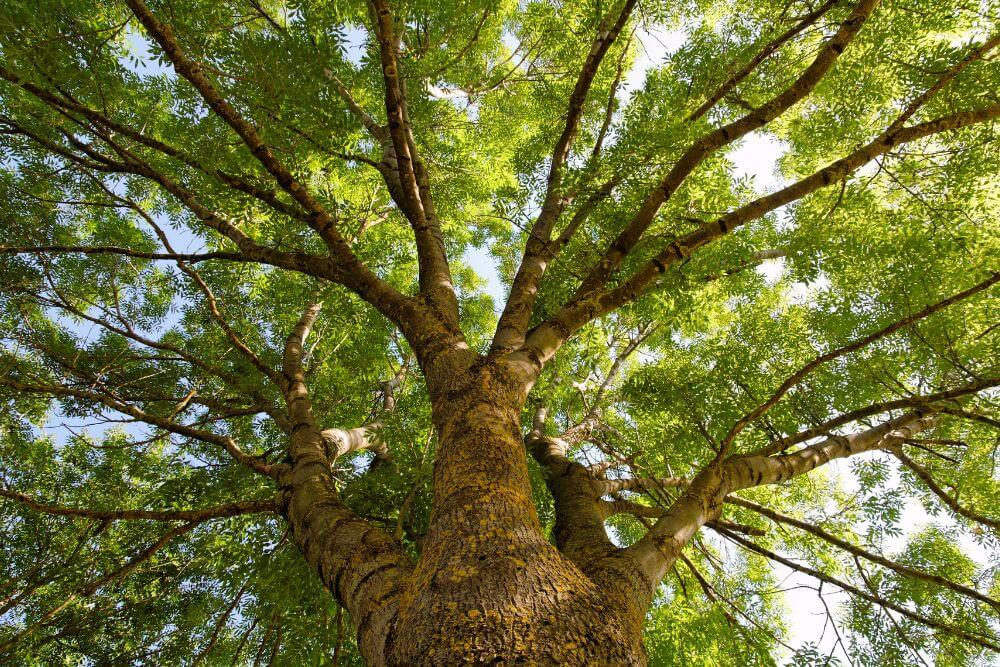
Imagine living in a society where cutting down the wrong tree could cost you the same penalty as harming a human chief.
Where poisoning a river carried massive fines.
Where nature wasn’t just protected—it was sacred.
This wasn’t some modern eco-warrior fantasy.
This was Ireland… over a thousand years ago.
In this article, we’re diving into one of the most fascinating and progressive legal systems in European, if not world history: Brehon Law.
And specifically, we’re looking at something that’ll blow your mind—how ancient Ireland protected the environment centuries before the modern environmental movement even existed.
If you’re interested in history, sustainability, or just cool stories about how our ancestors got things surprisingly right, stick around.
So first, what exactly was Brehon Law?
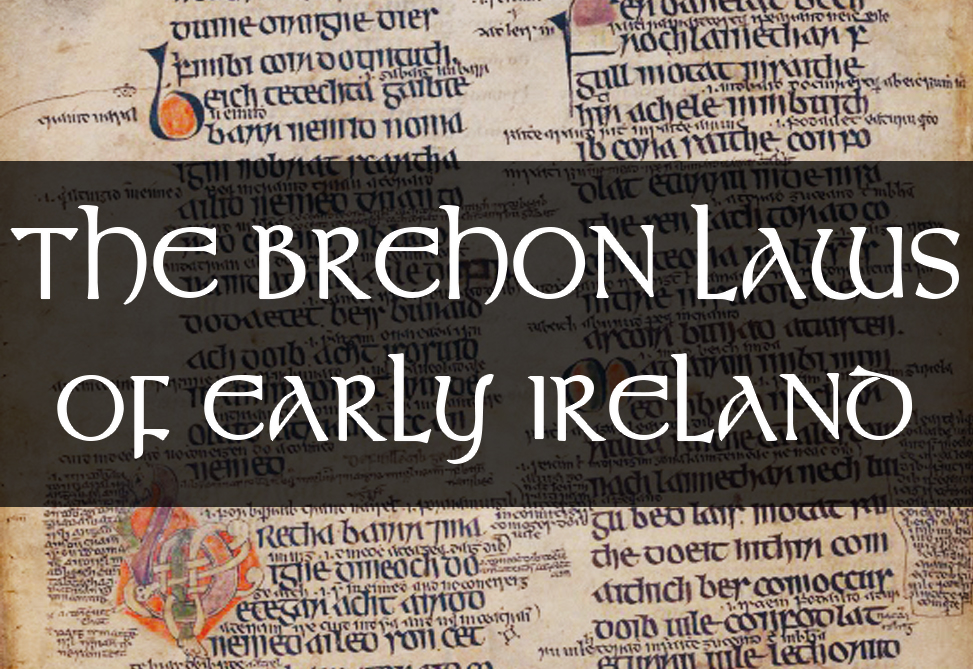
The Brehon Laws—named after the Brehons (Breitheamh), or judges who administered them—were Ireland’s indigenous legal system. This wasn’t just any old legal code.
We’re talking about one of the oldest and most sophisticated legal systems in Europe, operating from at least the 7th century AD (manuscripts date from this time), though scholars believe its roots go back much further, possibly to the Iron Age.
Here’s what made it radical:
There were no prisons.
No police.
No centralised authority forcing people to comply.
Instead, the system relied on compensation, restitution, and community enforcement.
If you harmed someone or damaged their property, you paid them back—usually in livestock or goods.
Your reputation and honour were everything.
And here’s the kicker—this system worked for over a thousand years, surviving Viking raids, the arrival of Christianity, and even the Norman invasion.
It wasn’t fully dismantled (unwillingly, I might add) until the 17th century when English colonisers finally stamped it out.
THE TREE LAWS
Now, let’s get to the environmental stuff, because this is where it gets really interesting.
In ancient Ireland, trees weren’t just trees—they were vital community resources, sacred beings, and essential to survival.
So the Brehons created an entire classification system to protect them.
The penalties were graded according to the tree’s class and the type of damage—whether you cut branches, stripped bark, or felled the whole tree.
They divided 28 trees and shrubs into four classes, mirroring the social hierarchy of Irish society:
The Nobles of the Wood (Airig Fedo)—
These were the “chieftain trees.”
We’re talking about oak, yew, ash, hazel, holly, Scots pine, and wild apple.
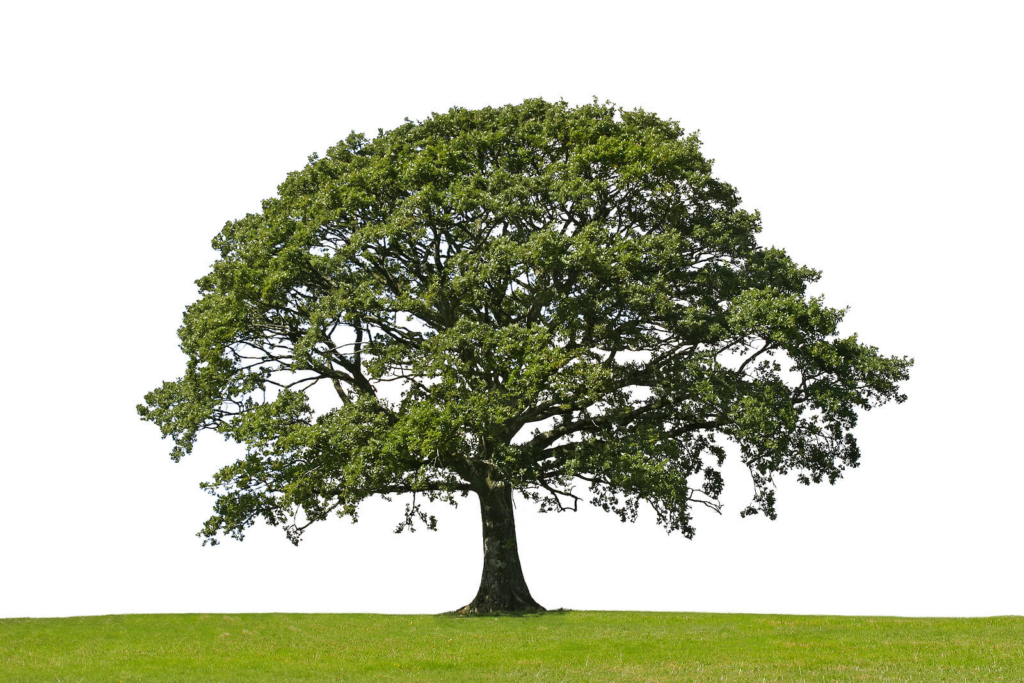
These trees were absolutely essential.
Oak provided the finest timber for buildings and fences.
Its acorns fattened pigs.
Hazel gave nuts for food.
Yew was crucial for making weapons.
If you unlawfully cut down one of these noble trees?
You’d pay a fine of two and a half milk cows.
That might sound quaint to us, but for a poor farming family, that penalty could mean the difference between surviving the winter or not.
The Commoners of the Wood (Aithig Fedo)—
These included alder, willow, hawthorn, rowan, birch, elm, and wild cherry.
Still important, but more for everyday uses.
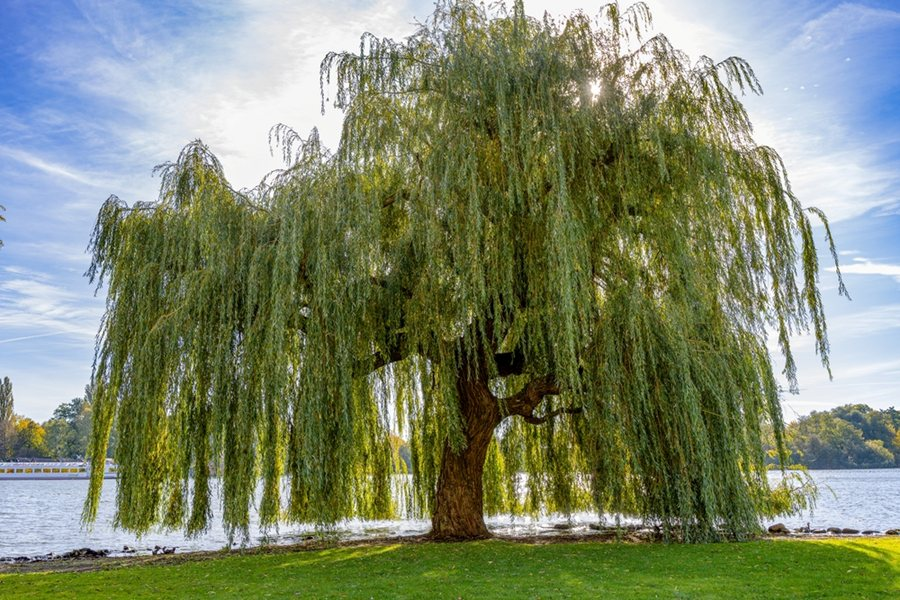
Willow, for instance—the Sally tree—was used for everything from storage baskets to chicken pens to rope. Its bark was also used as pain relief, long before aspirin existed.
Cutting down a commoner tree?
One milk cow.
The Lower Divisions (Fodla Fedo)—
Trees like blackthorn, elder, spindle tree, aspen, juniper, and whitebeam.
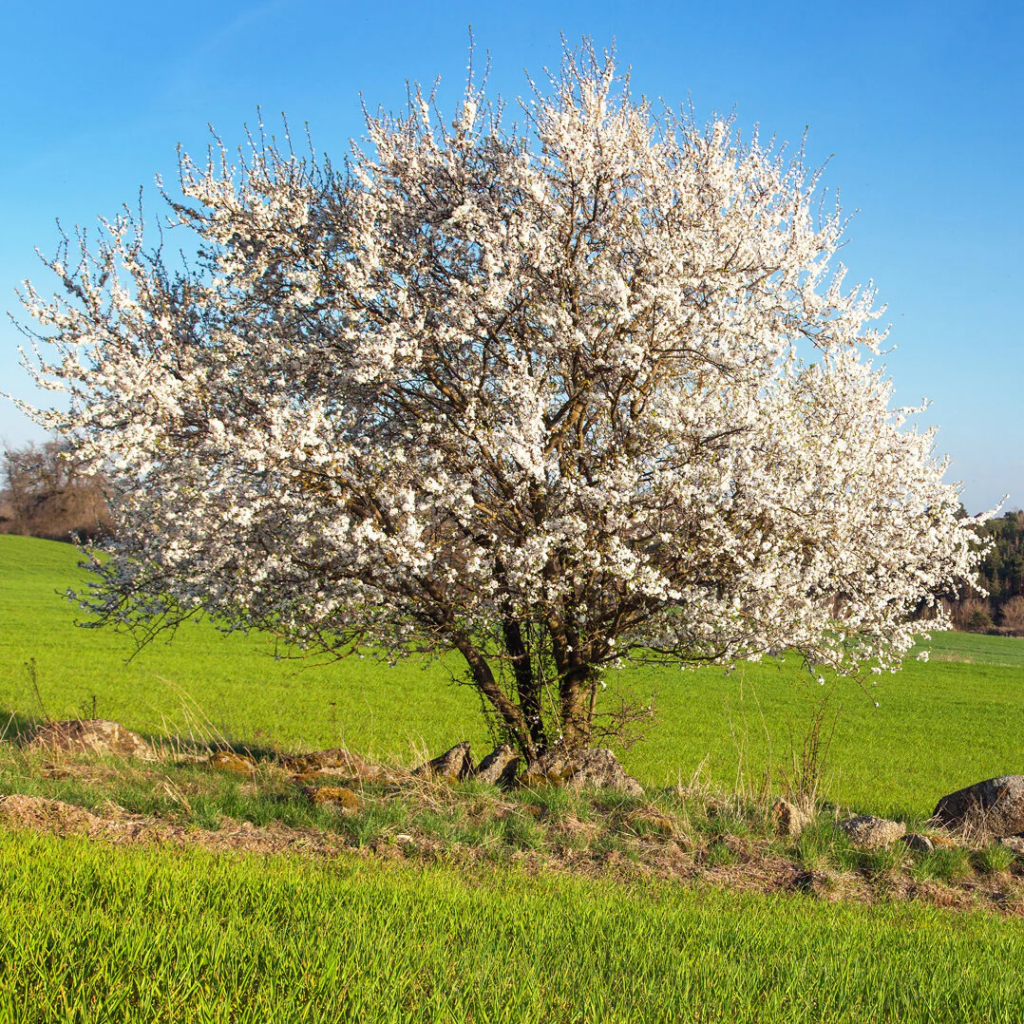
Useful for medicine, some food production, and various crafts.
The Bushes of the Wood (Losa Fedo)—
Things like bracken, heather, gorse, bramble, and wild rose.
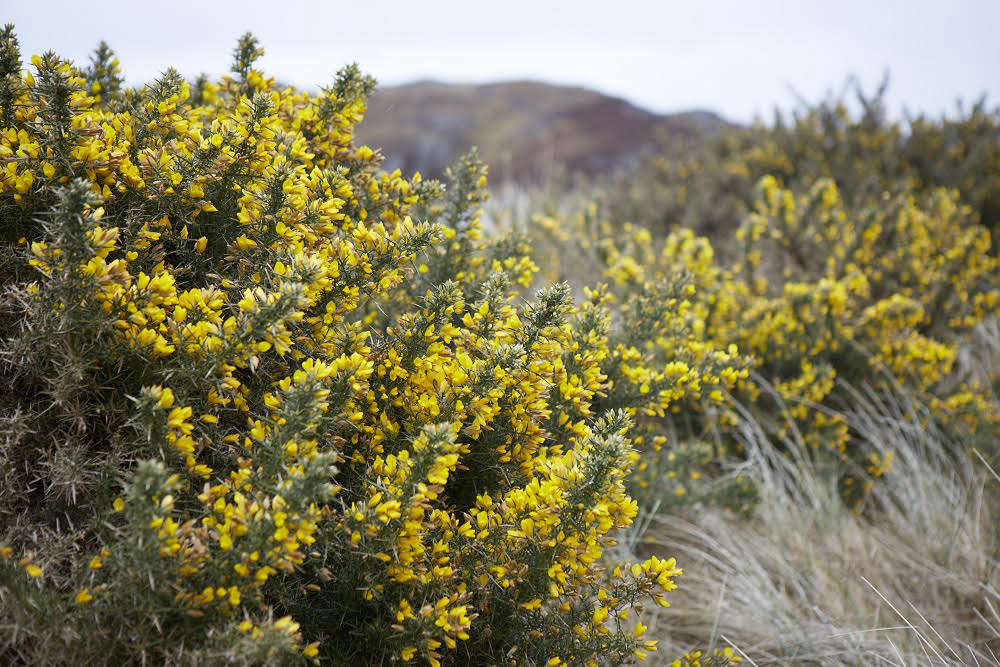
Even these had value—gorse burned at incredibly high temperatures, perfect for forges and bread ovens.
BEYOND TREES
But it wasn’t just about trees.
Brehon Law protected waterways, too.
Poisoning a water source carried heavy fines—because the Brehons understood that clean water was essential for everyone downstream.
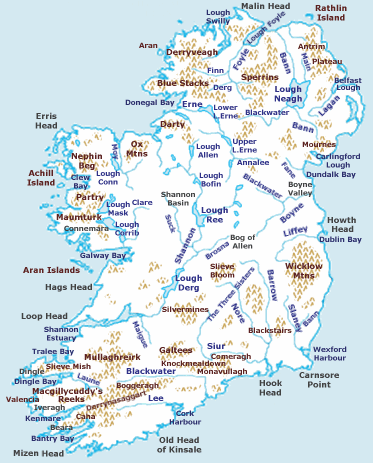
The laws also regulated land use to ensure sustainability.
Remember, this was a pastoral society where wealth was measured in cattle.
The community needed to make sure the land could support everyone, now and in the future.
The Brehons created rules about grazing rights, land division, and resource management that prioritised long-term sustainability over short-term gain.
Think about that—in an age when most of the world was focused on conquest and exploitation, the Irish were legally mandating environmental stewardship.
THE SPIRITUAL DIMENSION
There’s another layer to this that’s equally fascinating: the spiritual connection.
The ancient Irish didn’t build temples. Instead, they treated nature as their temple.
Trees were seen as doorways to the Otherworld, sources of wisdom, and living ancestors.
Sacred trees and groves were considered sanctuaries, often hosting weddings, inaugurations, and seasonal festivals.
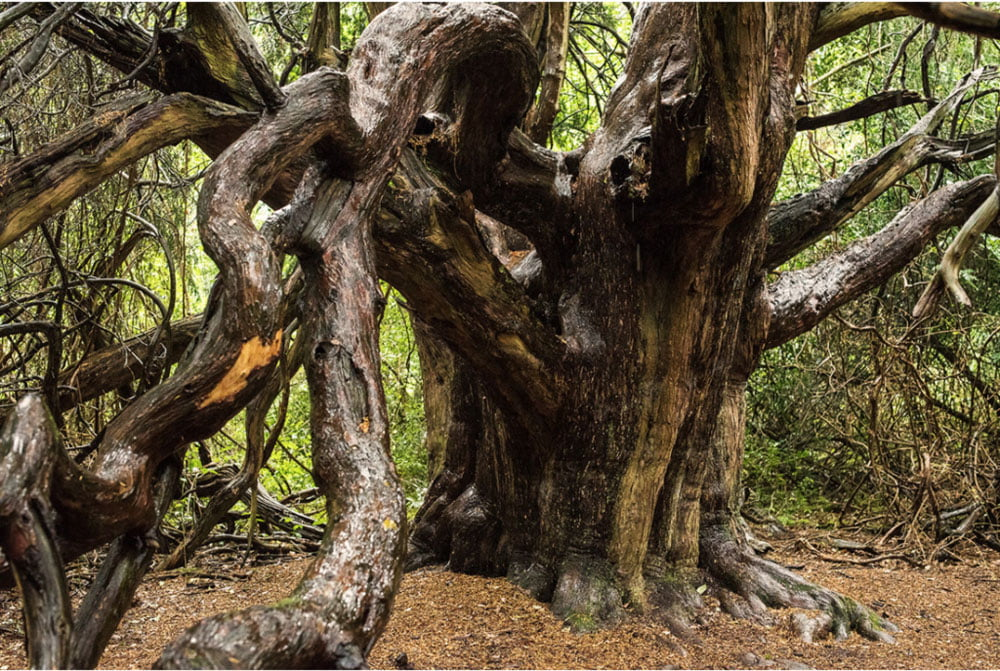
This wasn’t just symbolic. Irish mythology tells us that sacred trees—called “bile” [pr. billa, billy] in Old Irish—connected the earthly realm to the spirit world.
The roots reached down to the realm of the Otherworld, while the branches reached to the celestial skies.
This reverence persists even today.
There are documented cases of modern road construction being diverted to avoid cutting down a single hawthorn—a “fairy tree”—because workers believed it would bring bad luck.
MODERN RELEVANCE
So why does any of this matter today?
Well, consider this: Ireland today has one of the lowest woodland coverage rates in Europe—only about 11%.
That’s a dramatic change from the oak forests of Brehon times.
But there’s growing interest in reviving Brehon principles, especially around environmental protection and restorative justice. Some legal scholars argue that these ancient laws offer valuable alternatives to our modern punitive systems.
The concept of the Rights of Nature movement?
Of giving legal standing to ecosystems?
The Irish were conceptually doing that over a millennium ago.
The focus on restitution over punishment?
On community-based enforcement?
On sustainable resource management?
These are all principles that modern environmentalists and legal reformers are rediscovering.
Here’s what blows my mind:
While most of medieval Europe was clear-cutting forests and treating nature as something to be conquered, the Irish had a legal system that recognised trees as deserving of protection—not just for their utility, but for their inherent value to the community and the land.
They understood that you can’t have a thriving society without a thriving environment.
That harming nature harms everyone.
That sustainability isn’t optional.
Maybe, just maybe, we could learn something from those ancient Brehons.
What do you think?
Could modern environmental law benefit from Brehon principles?
Further Reading and Sources:
Academic Materials
Kelly, F. A Guide to Early Irish Law. Dublin: Dublin Institute for Advanced Studies, 1988. (Reprinted 1991, 1995, 1998, 2003, 2005, 2009)
Kelly, F. Trees in Early Ireland. School of Celtic Studies, Irish Forestry Journal. Dublin Institute for Advanced Studies (1999). Available from our members’ library:
https://brehonacademy.org/docs/trees-in-early-ireland-fergus-kelly-1999/
McLeod, N. Early Irish Contract Law. Dublin Institute for Advanced Studies.
Lyons, S. Ireland’s Medieval Woodland: An archaeological approach to understadning long term patters of wood use, management and exploitation. Snapshots of Doctoral Research at University College Cork. ReasearchGate (2014).
https://www.researchgate.net/publication/349154294_Ireland’s_Medieval_Woodland_An_archaeological_approach_to_understanding_long_term_patterns_of_wood_use_management_and_exploitation
Binchy, D.A. Corpus Iuris Hibernici. 6 volumes. Dublin Institute for Advanced Studies, 1978.
Read more here: Flanagan, K. Brehon Academy. From Fragments to a Masterpiece: Exploring the “Corpus Iuris Hibernici” D.A. Binchy’s Pioneering Contribution to Early Irish Law. 4 May 2023.
https://brehonacademy.org/from-fragments-to-a-masterpiece-exploring-the-corpus-iuris-hibernici-d-a-binchys-pioneering-contribution-to-early-irish-law/
Guiry N. The Sacred Nature of Trees: Incorporating Lessons from Brehon Law into Rights of Nature Initiatives. ResearchGate (2023).
https://www.researchgate.net/publication/375912539_The_Sacred_Nature_of_Trees_Incorporating_Lessons_from_Brehon_Law_into_Rights_of_Nature_Initiatives
Legal Text References
Senchas Már (Great Tradition) – 6th-8th century CE
Bretha Comaithchesa (Judgements of Neighbourhood) – 8th century.
Contains the Old Irish Tree-List with a four-tier classification system
Críth Gablach – 8th century legal tract.
Contains the poem Ma be rí rofesser about sacred tree protection. Quote: “A danger from which there is no escape is the penalty for felling a sacred tree” (translation by D.A. Binchy)
Newspaper Articles & Online Resources
Forestry Focus Ireland – “Brehon Laws” section
https://www.forestryfocus.ie/social-environmental-aspects/cultural-heritage/trees-and-folklore/brehon-laws/
McNally, F. The Irish Times – “Roots of a Republic: An Irishman’s Diary about Brehon tree law and the Irish National Foresters” 11 July 2017.
https://www.irishtimes.com/opinion/roots-of-a-republic-an-irishman-s-diary-about-brehon-tree-law-and-the-irish-national-foresters-1.3151168
Mulvaney, A. The Journal. “Double Take: The fairy bush in Co Clare that moved a motorway.” 24 Apr 2019.
https://www.thejournal.ie/fairy-bush-co-clare-4604485-Apr2019/
Homquist, K. The Irish Times. “Destruction of `fairy bush’ causes concern.”
https://www.irishtimes.com/news/destruction-of-fairy-bush-causes-concern-1.185457, 17 May 1999.