We Are Strangers At Home! We Are Exiles in Erin!
A poem composed in 1580 served as a prophetic warning, a cry of despair and for Irish unity upon seeing the desecration of the Irish woodland even in the early times of the 'New English'.

A poem composed in 1580 served as a prophetic warning, a cry of despair and for Irish unity upon seeing the desecration of the Irish woodland even in the early times of the 'New English'.
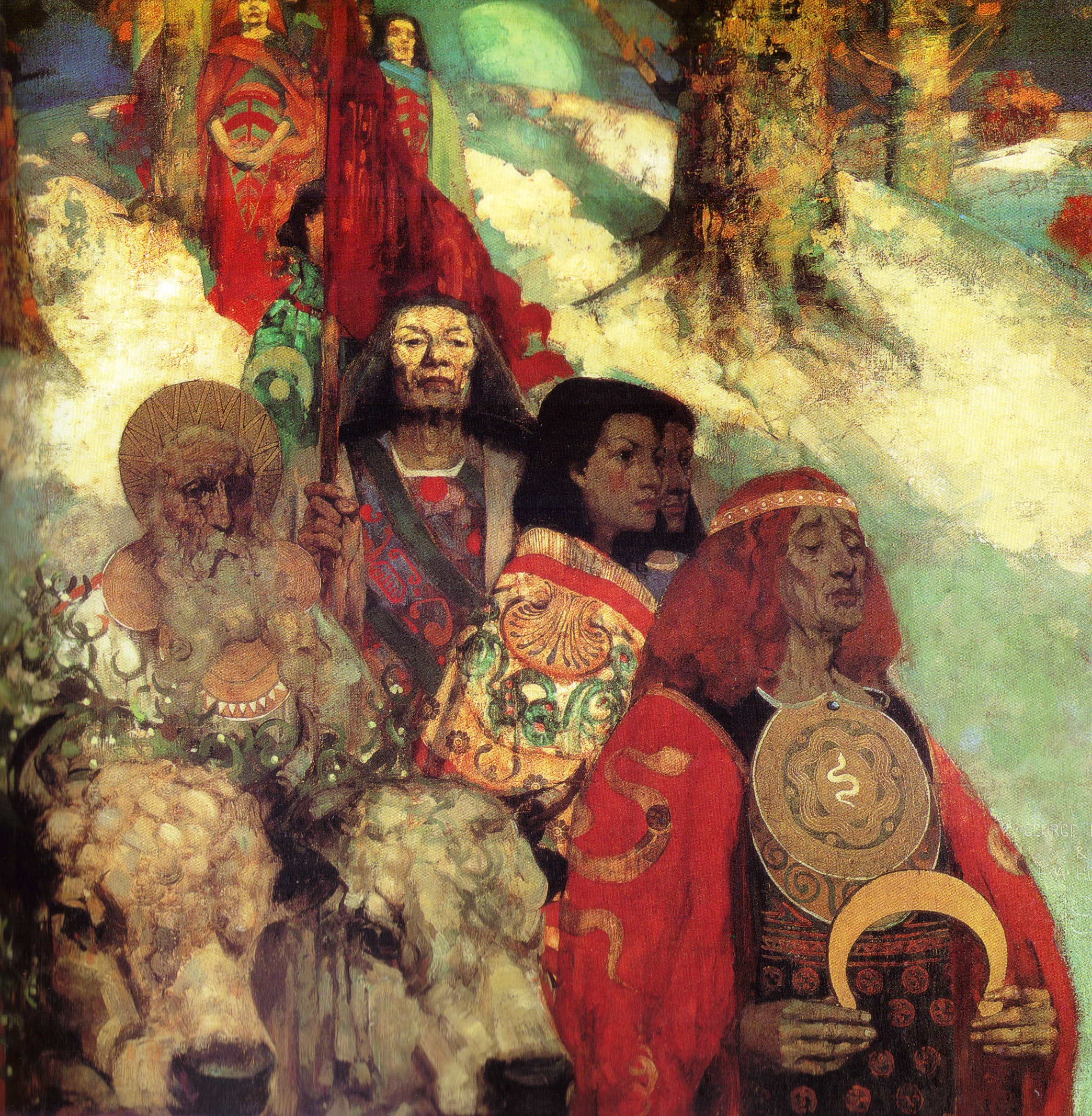
The Brehon ideal holds that no individual should be hindered or restricted, in any way whatsoever, in his or her personal and individual development merely because of the circumstances birth.
https://vimeo.com/526938095 A St. Patrick's Day Message from Kevin Flanagan of the Brehon Academy Wherever you are, whoever you are, happy Saint Patrick's Day!
An in-depth look at the main factors and influences that led to the ultimate demise of the Brehon Laws of early Ireland. In modern times, we often consider the conflict…
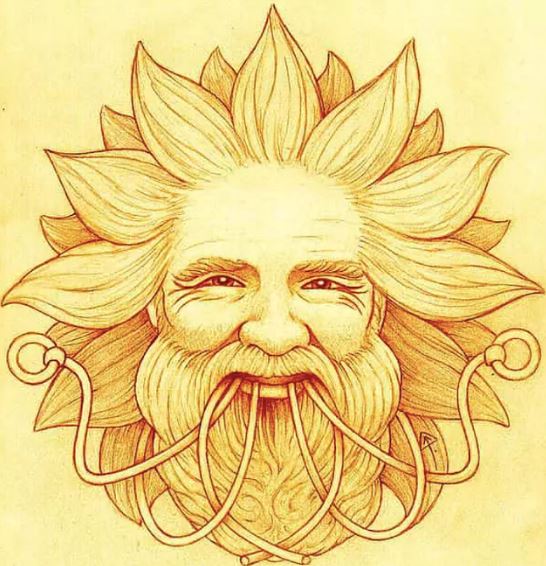
Irish myths have been told around fires and at bedsides for millennia. They tell tales of more ancient times; of heroes and monsters, of extraordinary other-worldy places, triumphant feats of warriors,…
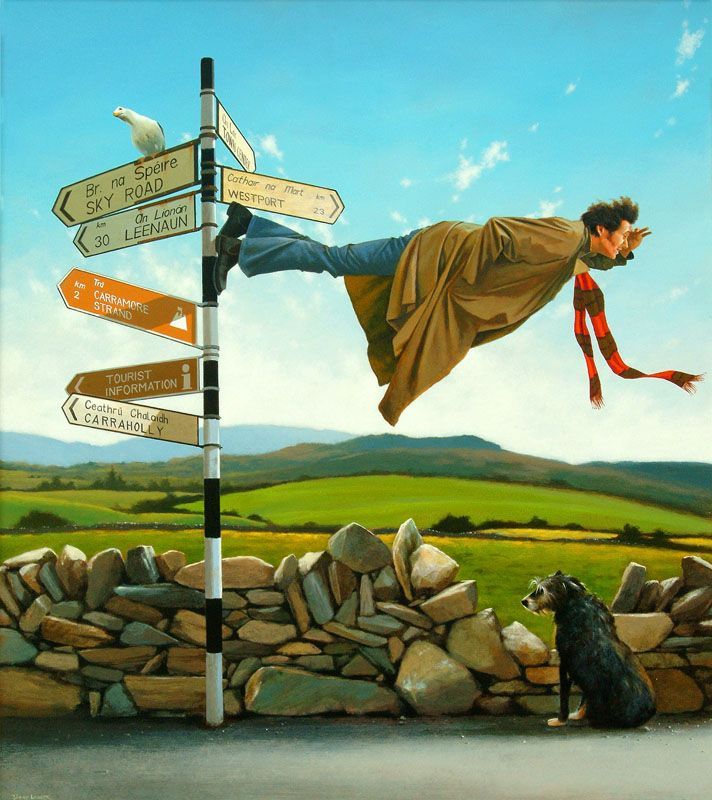
It might come as a surprise to find that the early Irish had the prevention of the exploitation of individuals who suffered from a disability or mental health issues in their minds, but we know this is the case from the research of great scholars on early Irish law who translated the law tracts. Foremost among these living scholars is Dr Fergus Kelly who deals with these topics in his book Early Irish Law, and his article 'Medicine and Early Irish Law'.
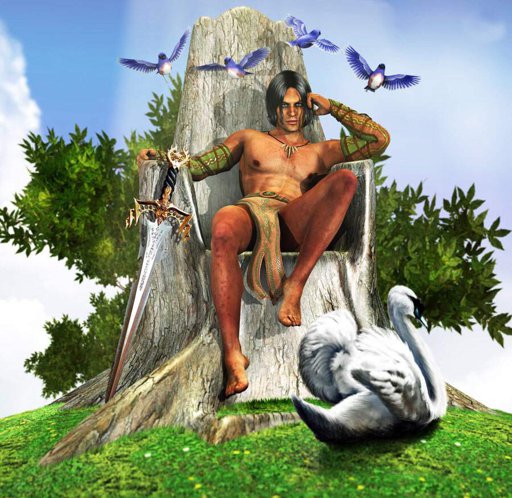
Aengus was one of the illustrious and mysterious Tuatha Dé Danann, a mystical race of beings who came to Ireland in the distant past bringing high culture along with them.…
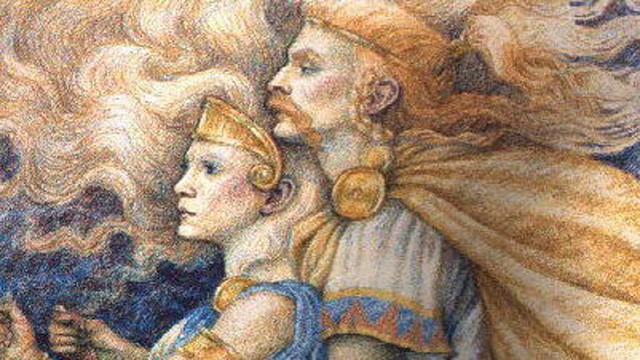
Grainne was the daughter of the High King Cormac MacAirt, her stunning beauty was legendary across the island. Many high ranking nobles and chieftains tried in vain to secure her…
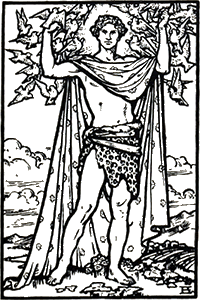
Aengus was asleep one night when he saw something like a young girl coming towards the head of his bed, and she was the most beautiful woman in Eriu. He…
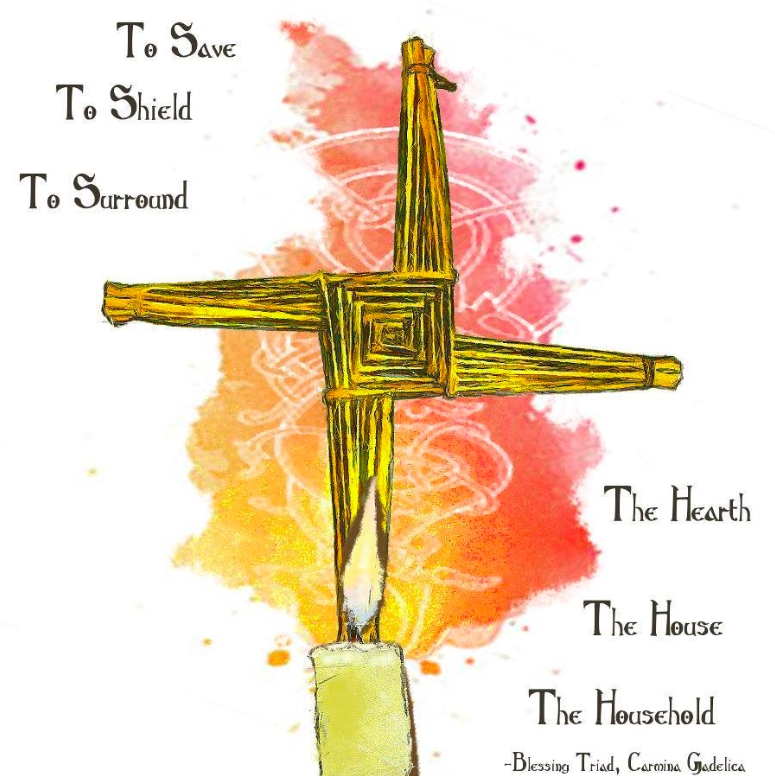
Traditionally, Imbolg (or Imbolc) was celebrated on the 1st-2nd February to mark the beginning of Spring and the midway point between the winter solstice and spring equinox in early Gaelic society.…