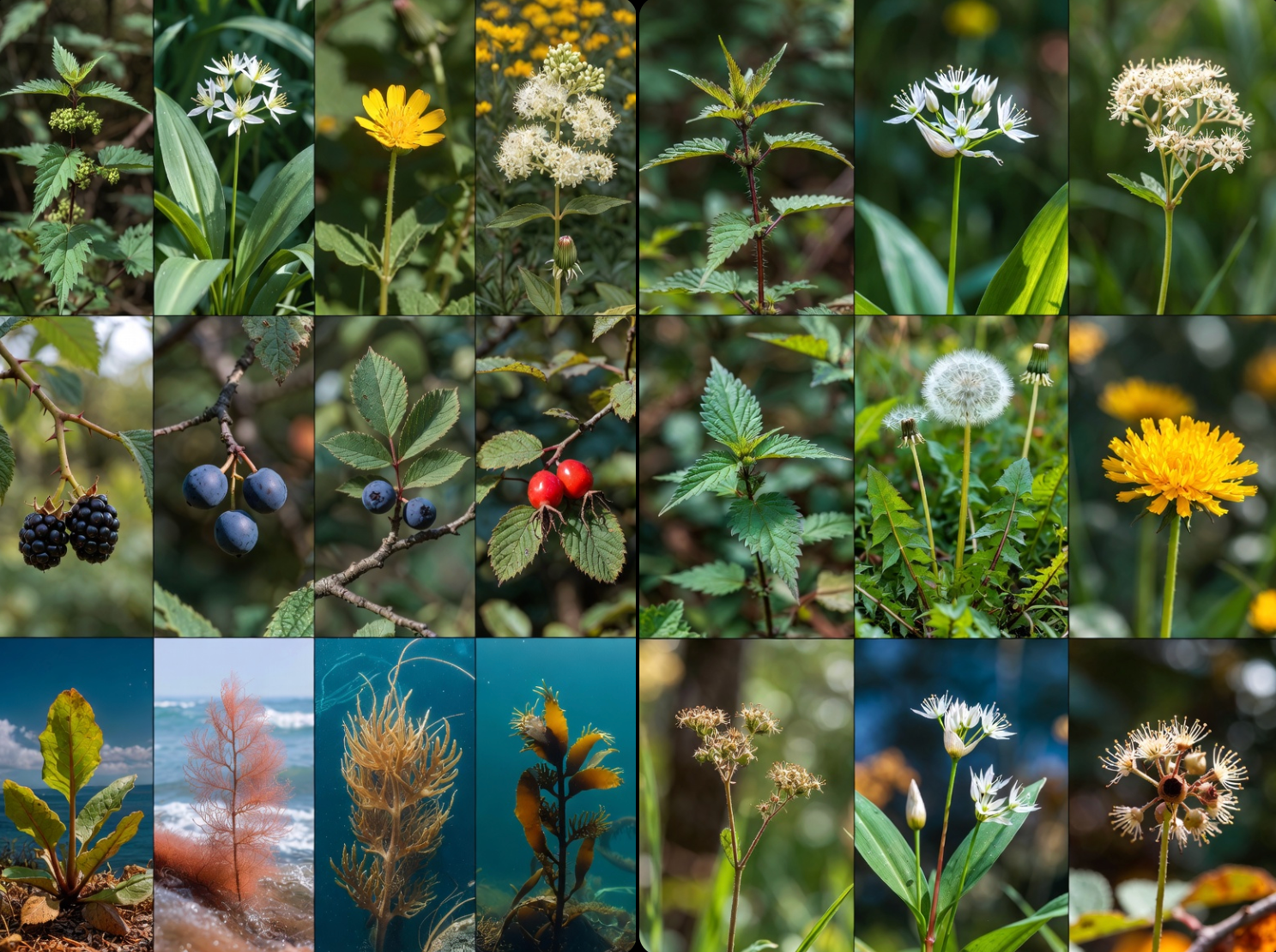
Ireland’s landscapes are not only breathtakingly beautiful but also teeming with a diverse array of edible plants, herbs, and lesser-known food sources waiting to be discovered. From the lush green meadows to the rugged coastlines and ancient woodlands, every corner of the Emerald Isle offers a treasure trove of culinary delights waiting to be explored.
Imagine wandering through the rolling hills of County Kerry, the scent of wild garlic filling the air as you stumble upon clusters of vibrant yellow gorse flowers. Or perhaps you find yourself along the windswept cliffs of County Donegal, where sea beet and samphire thrive along the rocky shores, offering a taste of the ocean’s bounty.
Foraging as a Way of Life?
In Ireland, foraging isn’t just a pastime; it’s a way of life deeply rooted in tradition and culture. For centuries, our ancestors relied on the land to provide sustenance, gathering wild plants, herbs, and fungi to supplement their diets. Today, this ancient practice is experiencing a revival as people rediscover the joys of connecting with nature and harvesting food straight from the source.
The list of edible plants and herbs found in Ireland is as diverse as the landscape itself. From familiar favourites like nettles and dandelions to more exotic finds like sea kale and wood sorrel, there’s no shortage of culinary delights waiting to be discovered.
Edible Plants
WARNING: Never eat anything unless you are 100% certain of its identification; some lookalikes can be harmful.
Please note, the following list is not exhaustive, as there are a myriad other botanical species growing all over the Irish landscape.
A good guidebook, or a friend with foraging experience, is a must-have. If for no other reason than safety.
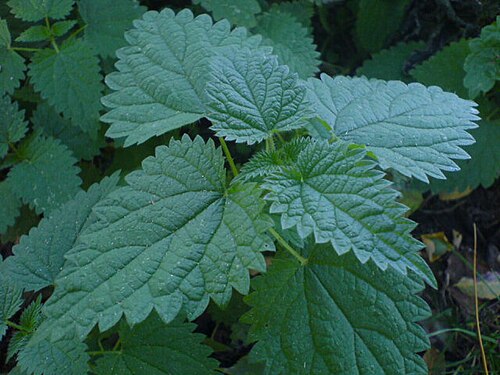 | Stinging nettles (Urtica dioica), those prickly inhabitants of damp ditches and woodland edges, are one of the most nutrient-rich greens you’ll find. Rich in iron, vitamins, and minerals, they make a superb spring soup or can be blanched and used like spinach in tarts and risottos. The sting disappears with cooking, leaving only a deep, earthy flavour that our ancestors prized during lean times. |
| Come spring, the woodlands come alive with the unmistakable aroma of wild garlic (Allium ursinum), also known as ramsons. Its broad green leaves and starry white flowers carpet the floor of many Irish woods from March through May. Chopped fresh into pesto, stirred into butter, or simply scattered over new potatoes, it brings a gentle garlicky brightness that feels like the very essence of the season. | 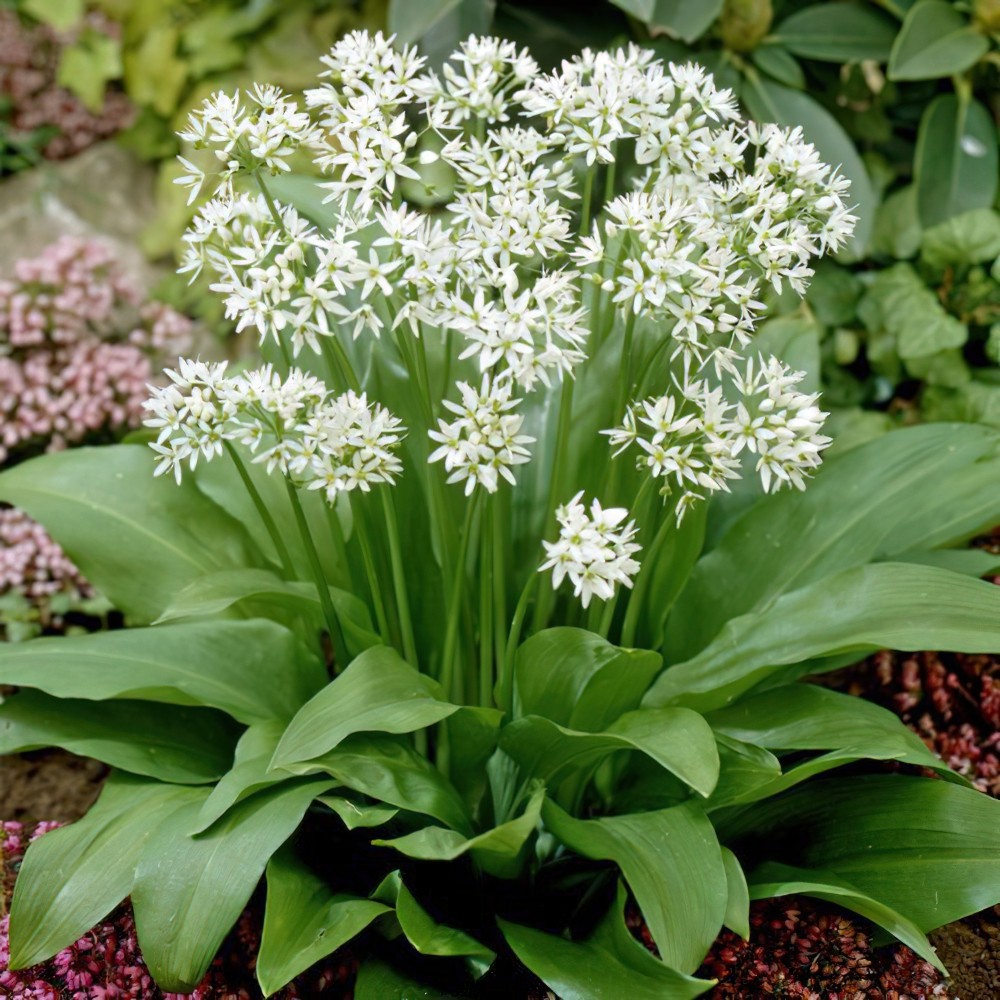 |
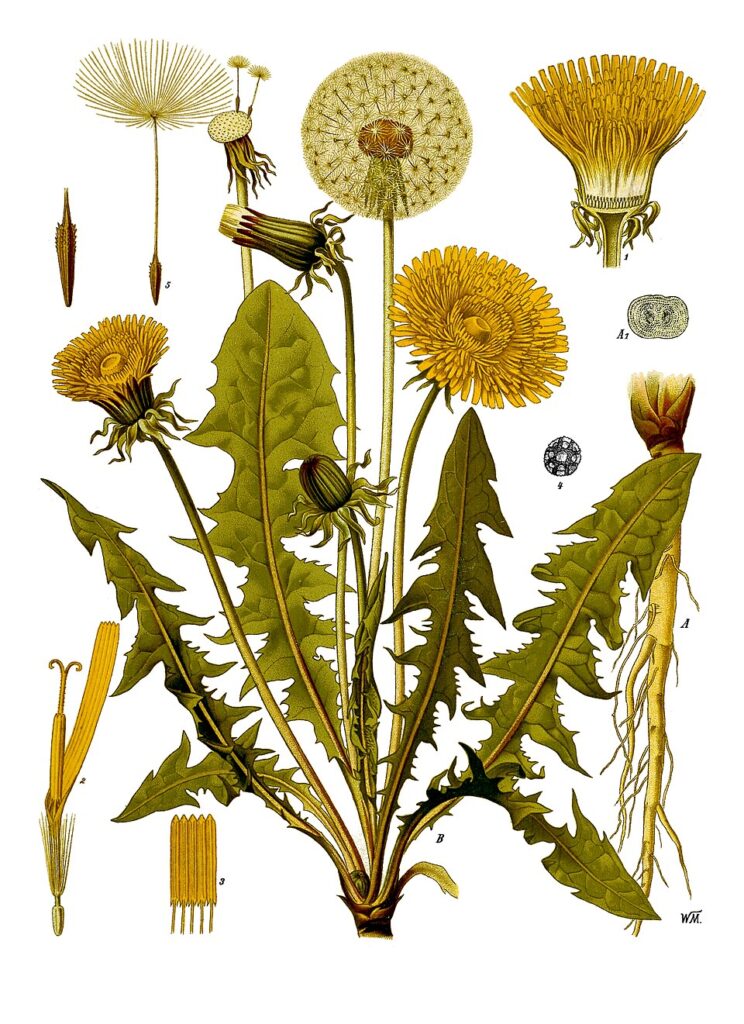 | Dandelions (Taraxacum officinale), so often dismissed as weeds, offer leaves with a pleasantly bitter bite for salads, roots that can be roasted as a caffeine-free coffee substitute, and bright yellow petals for wine or fritters. Every part is edible, and they’re abundant almost year-round. |
| In summer, the hedgerows burst with elderflowers and gorse (Ulex europaeus). Elderflowers (pictured), harvested in late spring and early summer, make fragrant cordials, fritters, or champagne – a traditional Irish treat that captures the scent of sunshine. | 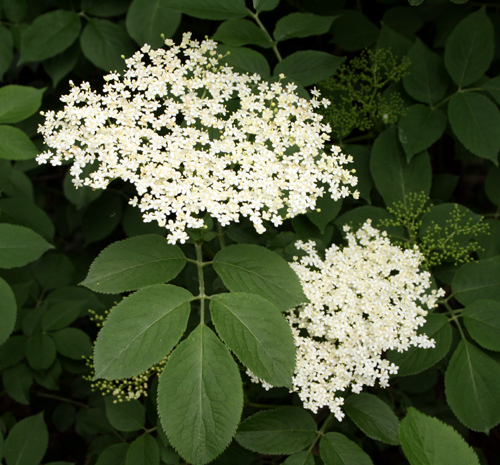 |
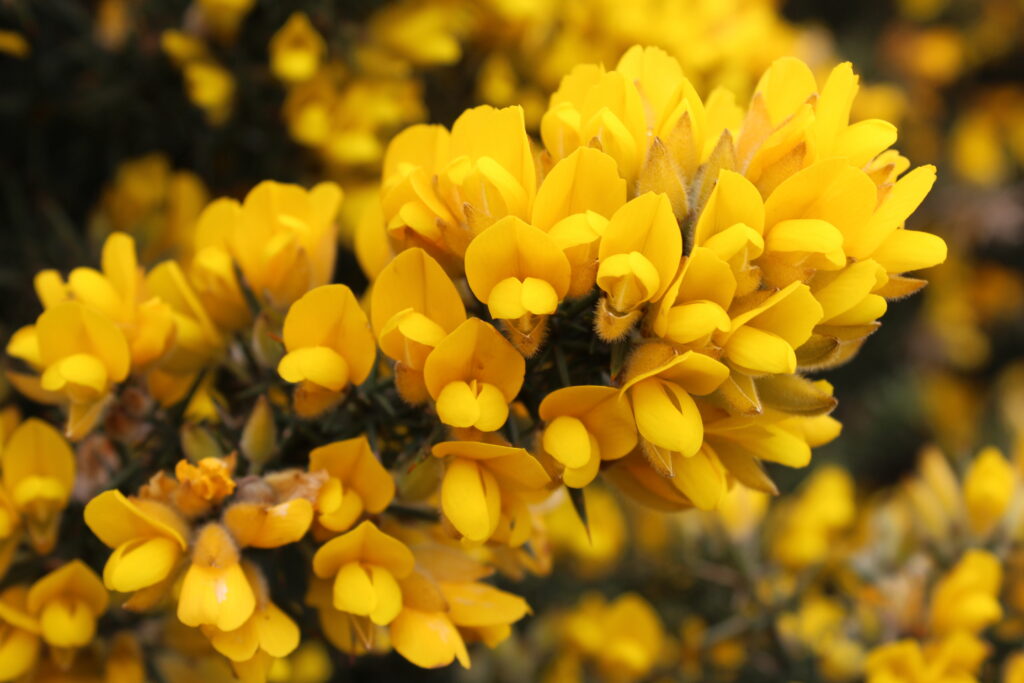 | Gorse flowers, with their coconut-like perfume, add a crunchy, exotic note to salads or can be infused into syrups and wines. |
| Autumn brings the berries: plump blackberries for crumbles and jams, tart rowan berries (after the first frost) for savoury jellies to accompany game or meat, and sloes for that essential sloe gin to warm the winter nights. | 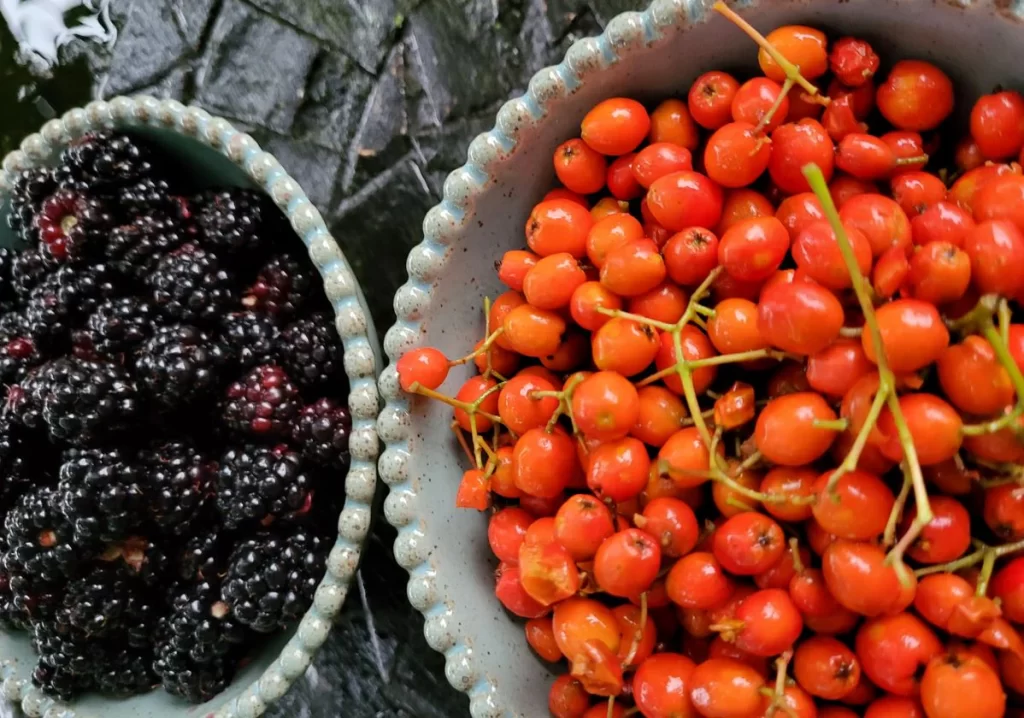 |
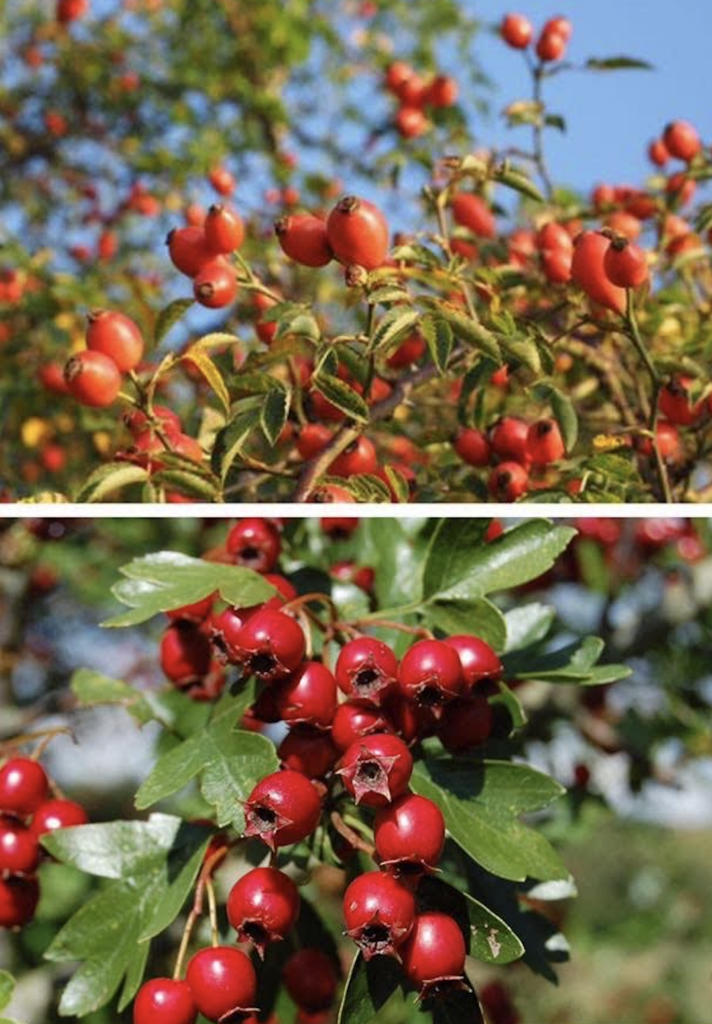 | Hawthorn leaves in spring (known as “bread and cheese” to country folk) and rosehips later in the year provide vitamin C-rich treasures for teas and syrups. |
| Along Ireland’s rugged coastlines, the sea offers its own generous harvest. Sea beet (the wild ancestor of beetroot and chard) grows on shingle beaches and cliffs, its glossy leaves perfect for steaming or stir-fries. | 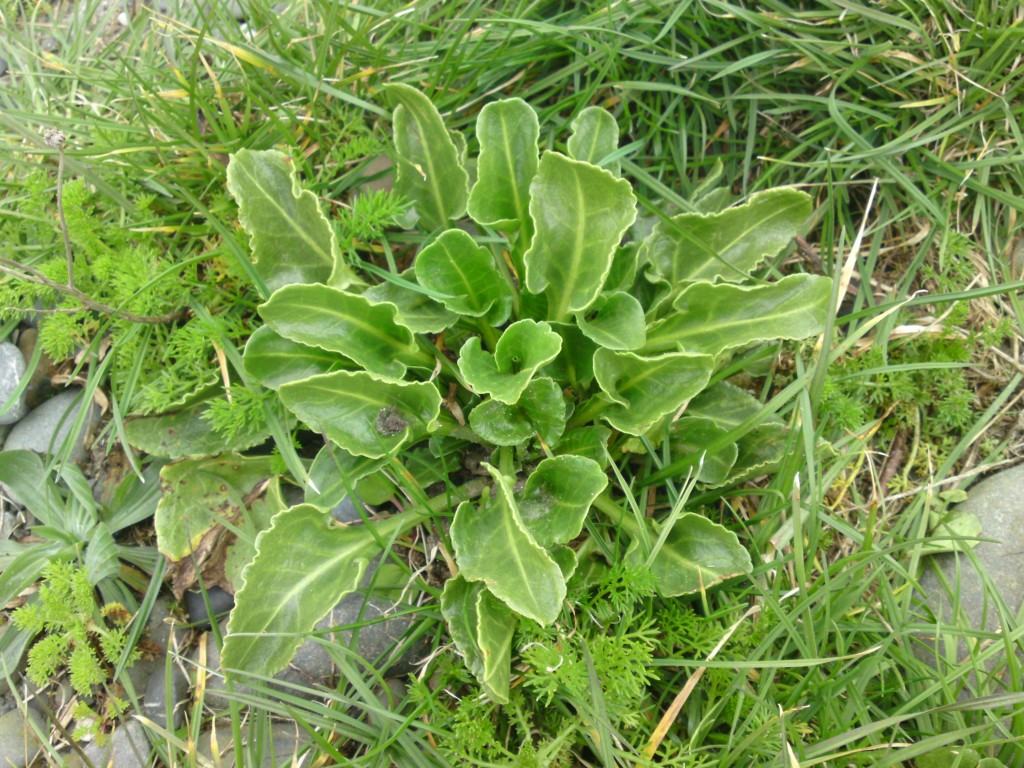 |
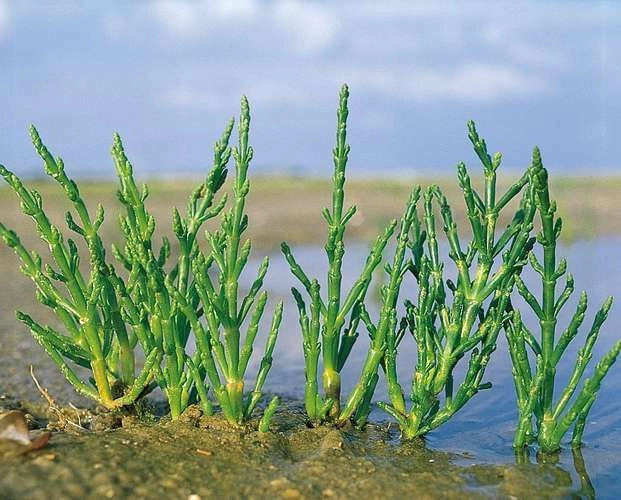 | Samphire (glasswort) can be found growing all along Ireland’s coastline, and it adds a welcome crisp, salty crunch to seafood dishes. |
While dillisk (dulse) – dried and nibbled as a snack or crumbled into soups – has been a staple of coastal communities for centuries. | 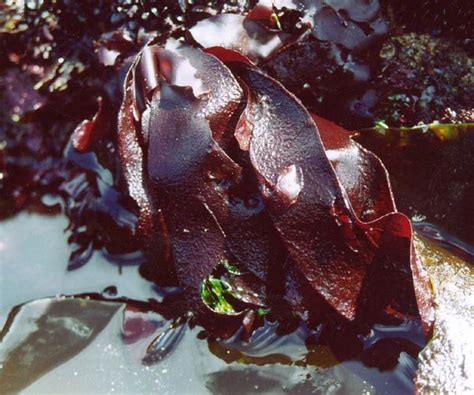 |
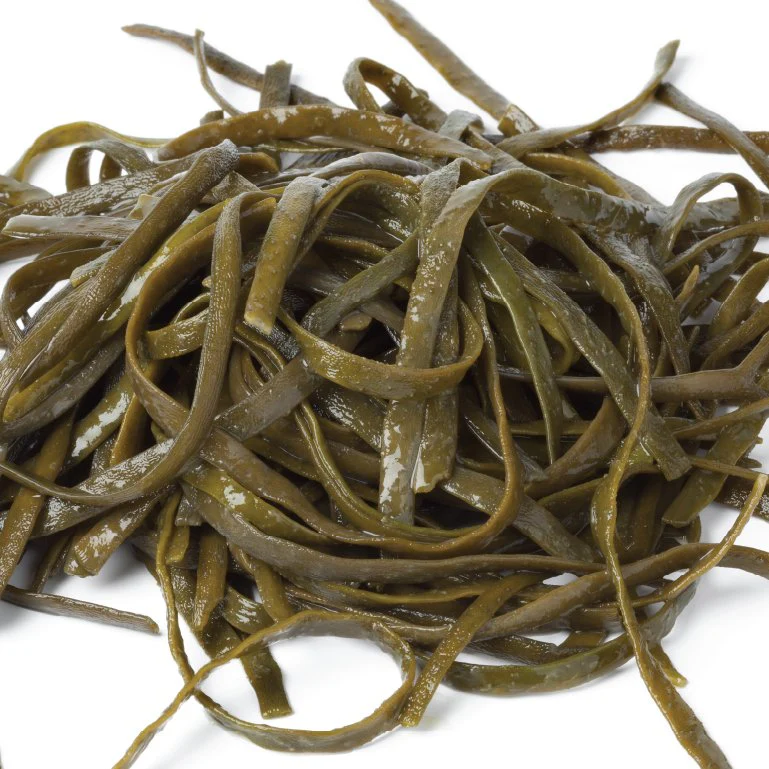 | Sea spaghetti and various kelps bring an umami depth to broths and stir-fries, reminding us that the ocean has long fed those who live beside it. |
Responsible Foraging
Foraging, of course, comes with responsibility.
Always forage with care and keep the old Brehon mentality in mind:
Take only what you need,
Use all your take,
Leave plenty for wildlife and future growth,
Avoid polluted areas, especially near roads or dog-walking spots.
Invest in a good field guide or, better yet, join a guided walk with an experienced forager – it’s the safest and most enjoyable way to learn.
There’s something profoundly satisfying about gathering your own food from the land and the sea – a quiet rebellion against the supermarket trolley, a direct line to the wisdom of our forebears, and a simple joy that costs nothing but time and curiosity.
So next time you step out into the Irish countryside, whether it’s a misty spring morning or a blustery autumn afternoon, keep your eyes open.
The fat of the land is all around you, free for the taking – if only you know where to look.