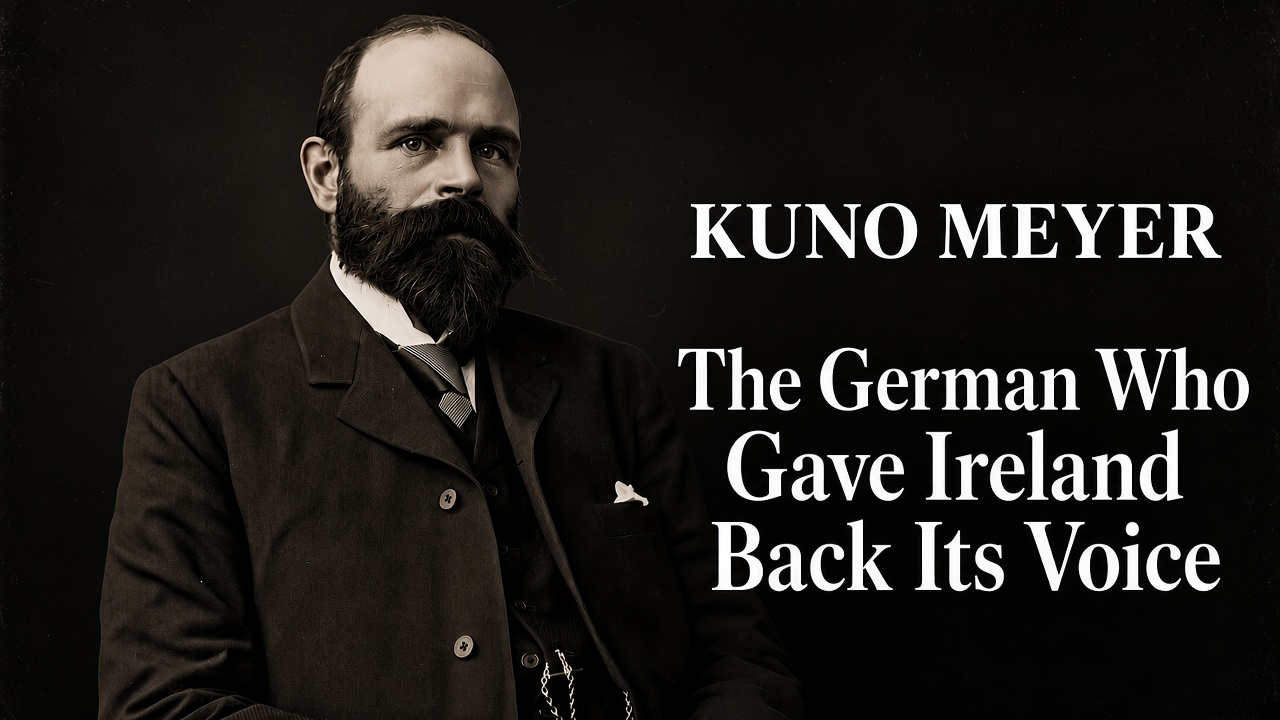
Kuno Meyer: The German Who Gave Ireland Back Its Voice
Kuno Meyer was born in Hamburg, taught German in Liverpool and died in Leipzig, yet few people did more to put early Irish literature back into Irish hands. Here is…

Kuno Meyer was born in Hamburg, taught German in Liverpool and died in Leipzig, yet few people did more to put early Irish literature back into Irish hands. Here is…

Published in 1924, the book is a study of the Irish-language poets who kept a native learned culture alive across Cork, Kerry, and Limerick through the eighteenth century, long after the formal Bardic schools of medieval Ireland had been destroyed. Corkery called this world hidden for a precise reason.

https://youtu.be/7rybVPBN4t4 To understand why Newfoundland sounds the way it does, you have to go back further than the fishery — back to the collapse of the old Gaelic order itself.…
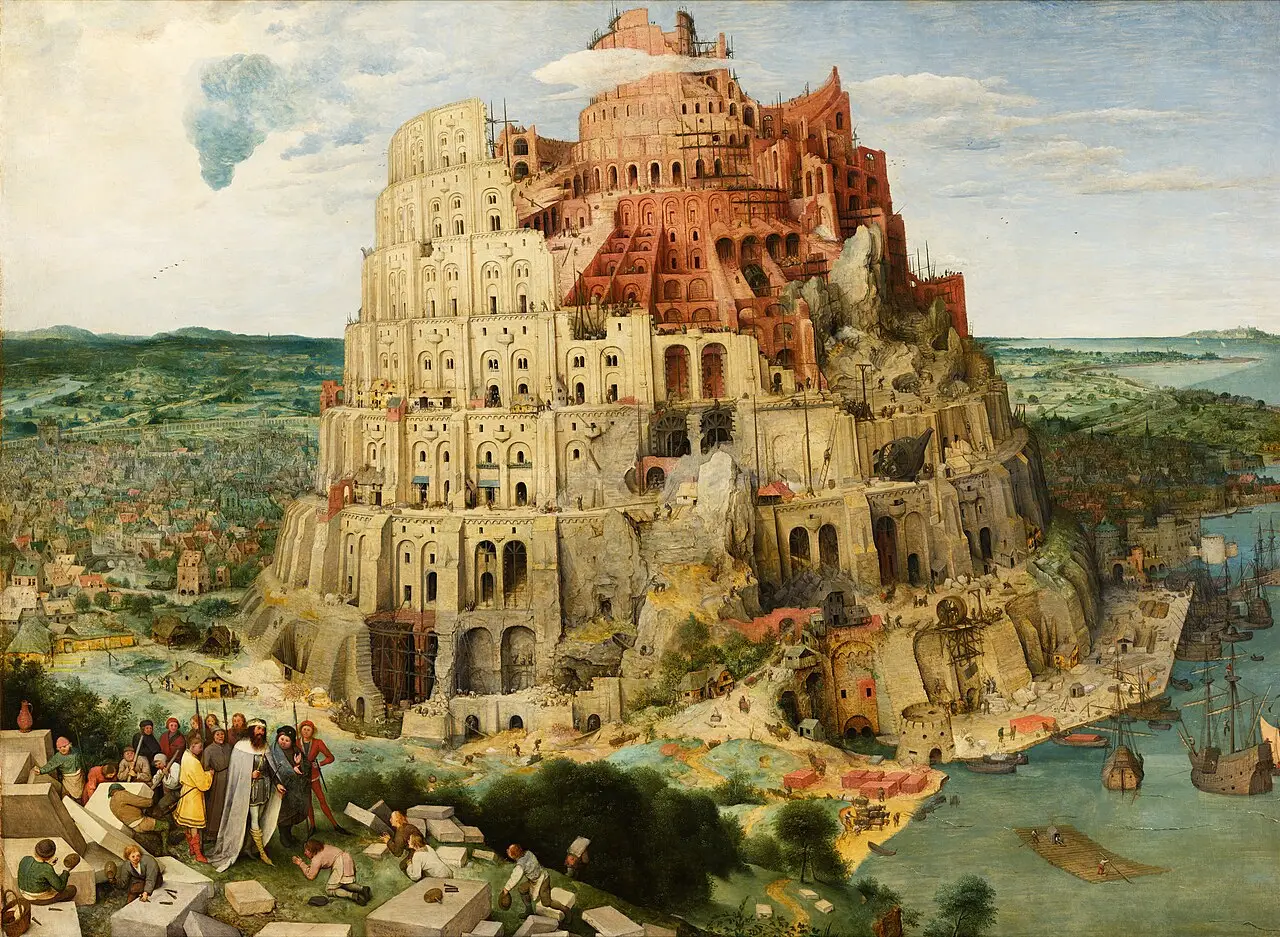
Auraicept na n-Éces, or The Scholars' Primer, is one of the most important and fascinating surviving texts from medieval Ireland. It stands as the earliest known native Irish treatise on grammar, poetics, and the philosophy of language.

Meet Siobhán De Poar, an acclaimed Irish performance poet, spoken-word artist, dramaturg, file and passionate language revivalist behind Wild Irish Retreats. With roots in West Kerry and Kilkenny, Siobhán has…

Join us in this heartfelt episode as we reflect on the extraordinary life of Manchán Magan, the beloved Irish writer, broadcaster, and documentary maker who passed away on October 2,…
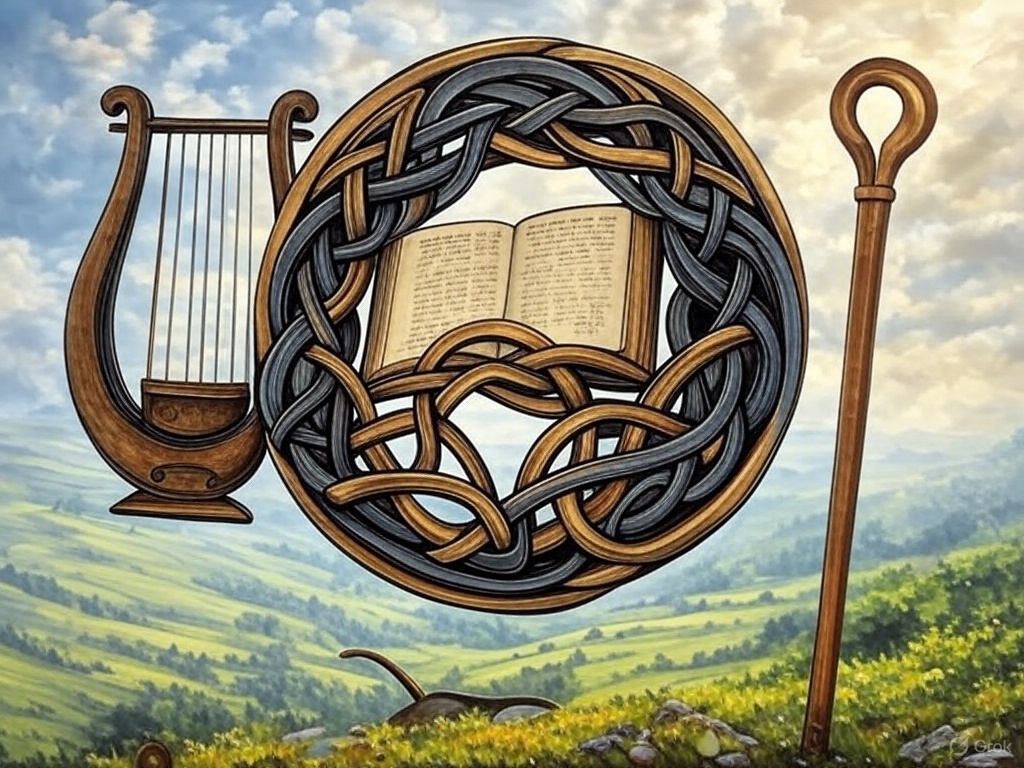
Did you know that early Ireland boasted a remarkable array of official dialects, each tailored to specific societal roles? And while the modern Irish word "béarla" refers to the English…

To think in Irish, rather than merely translating from it, requires immersive strategies that align more closely with how the language conceptualizes the world. This process involves a few key…

Pangur Bán or “White Pangur” is an anonymous poem written in Old Irish around the 9th century by an Irish monk in praise of his white cat named Pangur (bán…

Delve into the dark history of the "bata scoir," a brutal punishment device used in Irish schools to suppress the Irish language and promote English during British rule. This article explores the impact of the "bata scoir" on Irish language and culture, and its role in the wider policy of cultural oppression experienced by the Irish people. Discover the legacy of colonialism and the struggle to preserve language heritage and identity.