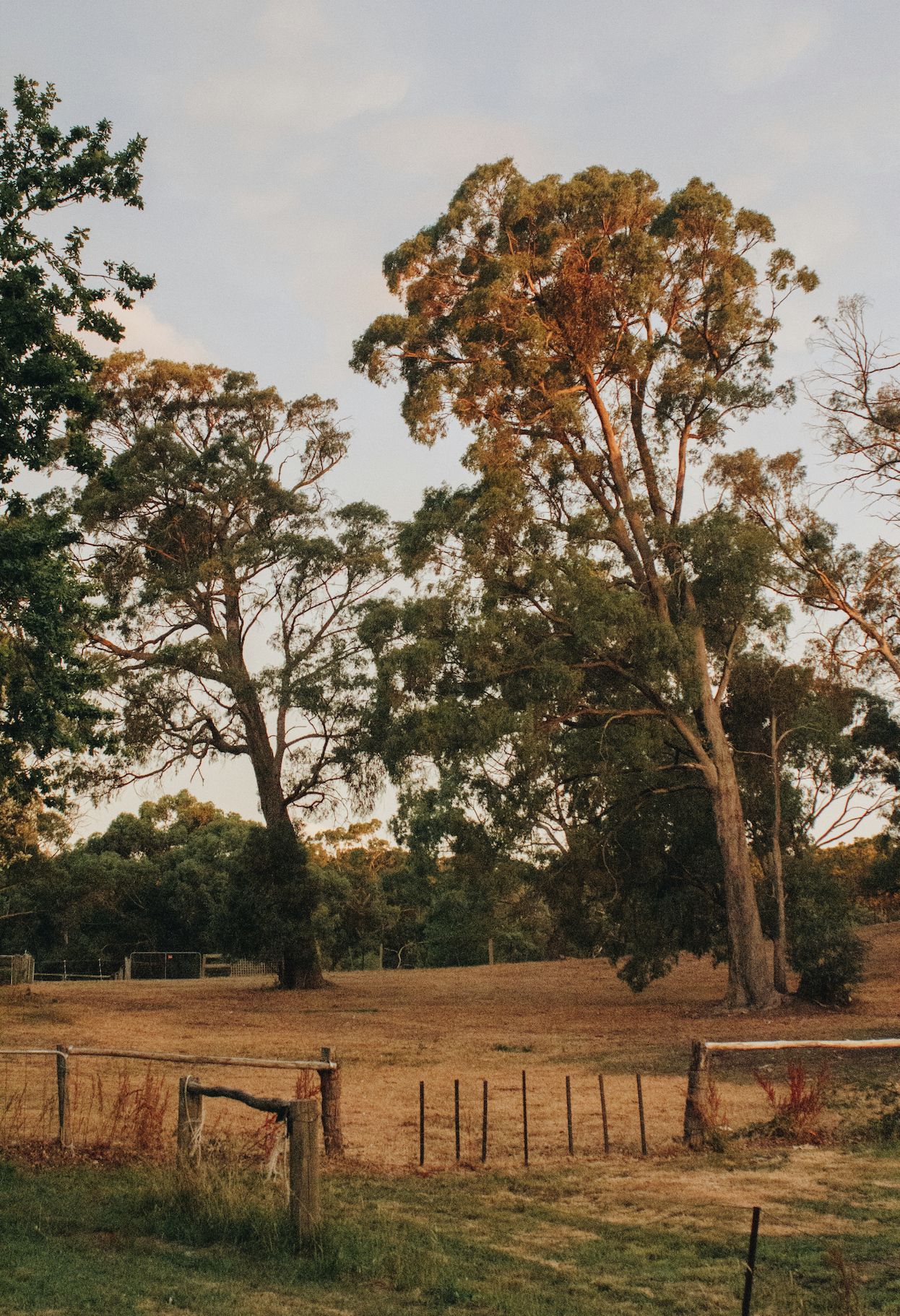
The Breath Between Worlds – Part VII
Part VII of the Living Law Series, exploring ritual, skin, and the memory of land. Air is the first and last element we meet. Before the law is spoken, breath prepares…

Part VII of the Living Law Series, exploring ritual, skin, and the memory of land. Air is the first and last element we meet. Before the law is spoken, breath prepares…
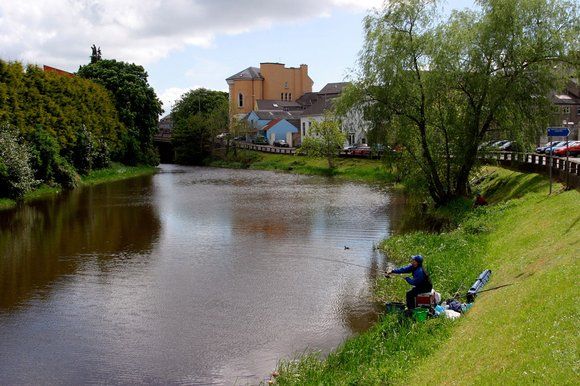
1. A Bold Daylight Caper Picture a crisp June morning in 1925, the sun spilling golden light across the River Erne in Co. Donegal. A crew of six fishermen from…
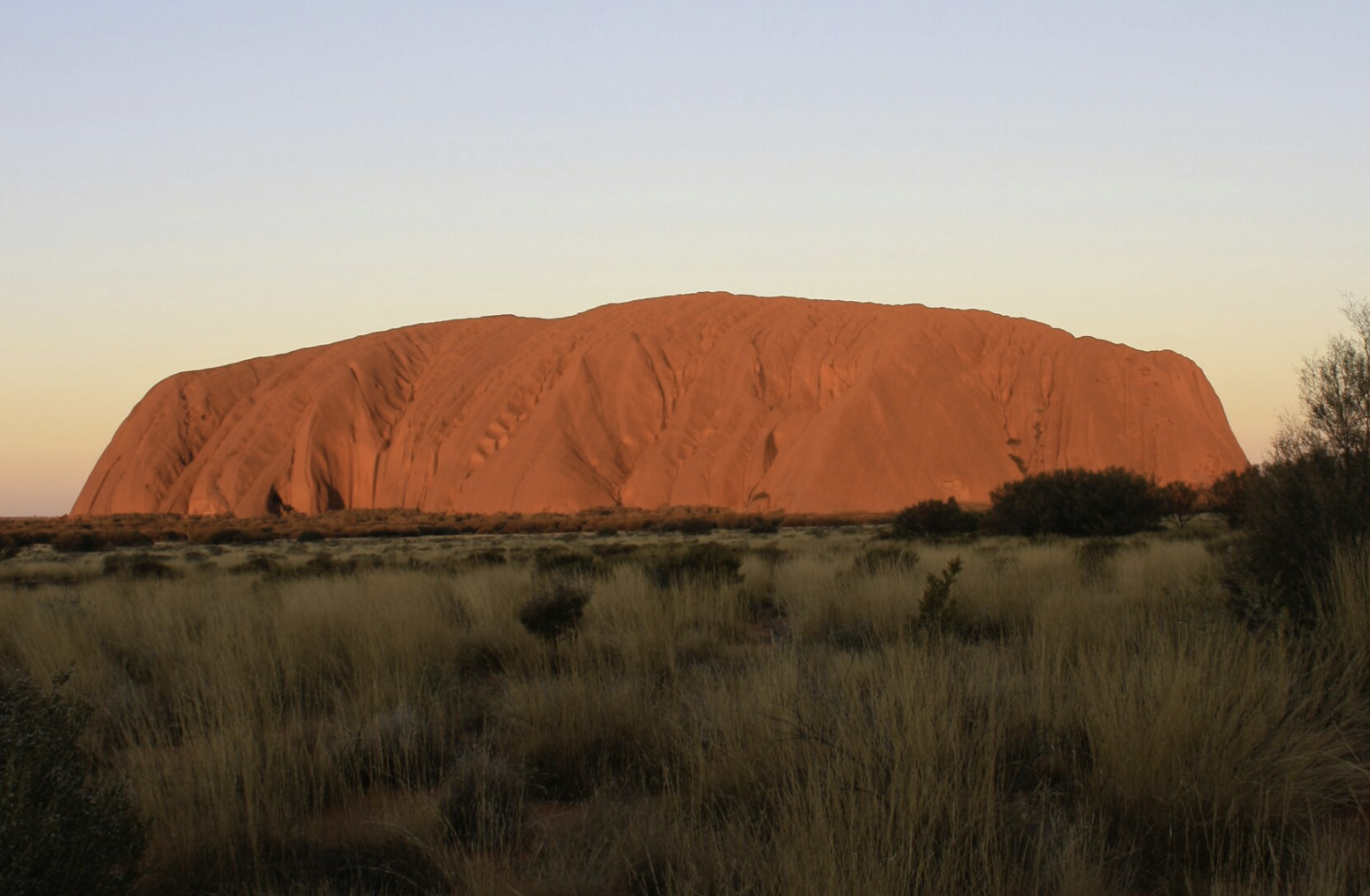
Part VI of the Living Law Series, exploring ritual, skin, and the memory of land. Ritual as Rebellion Fire is the most misunderstood teacher. People imagine explosion and spectacle.But fire’s true…

Part V of the Living Law Series, exploring ritual, skin, and the memory of land. Light returns quietly. Not as a spectacle.Not as an announcement.But as a soft widening of days,…
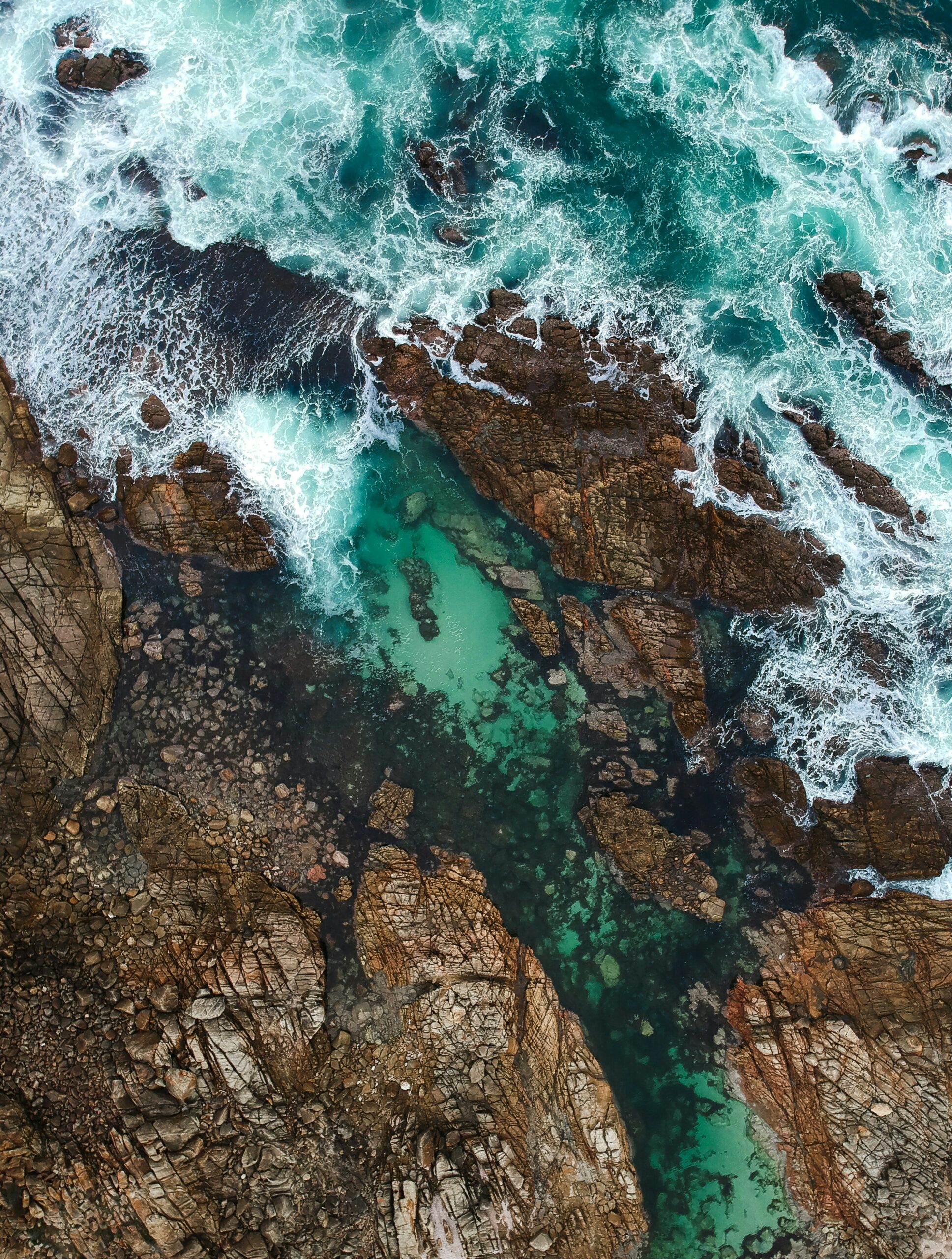
Part IV of the Living Law Series, exploring ritual, skin, and the memory of land. In every culture that has lived close to the soil, the body was seen not…
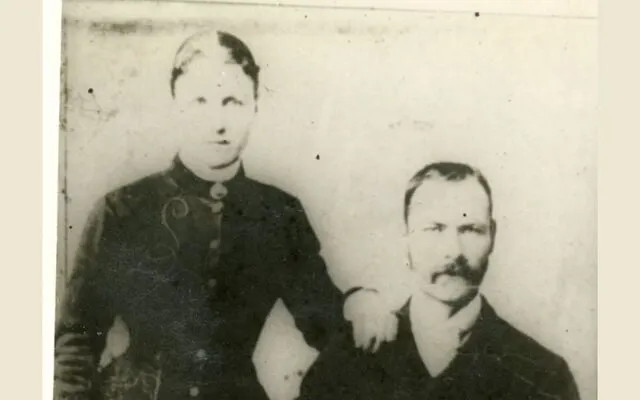
Ballyvadhea, County Tipperary – March 1895Retold by Kevin Flanagan on 31 October 2025 In 1895, gripped by paranoia and fear, Michael Cleary and his accomplices would burn Michael's wife, Bridget,…
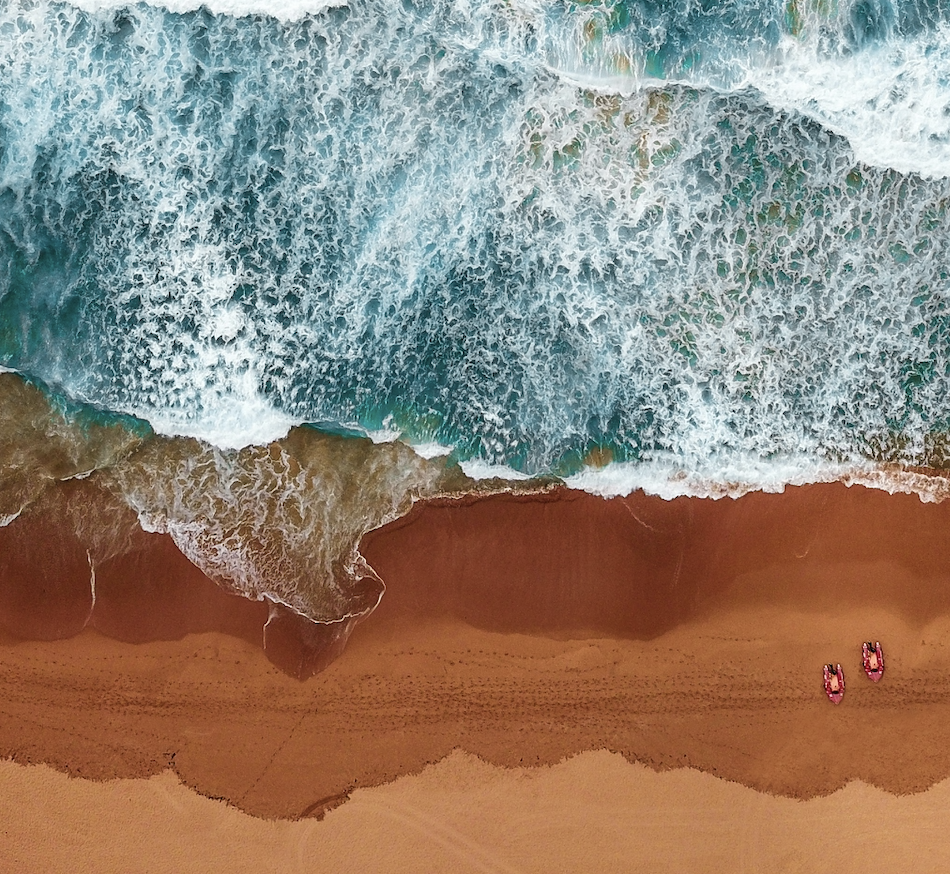
Part III of the "Living Law Series," exploring ritual, skin, and the memory of land. There is a season that isn't drawn on any calendar. It lives between endings and…

Part I of the "Living Law Series," exploring ritual, skin, and the memory of land. I've long believed our bodies keep their own calendars. Skin, especially, is a seasonal storyteller.…
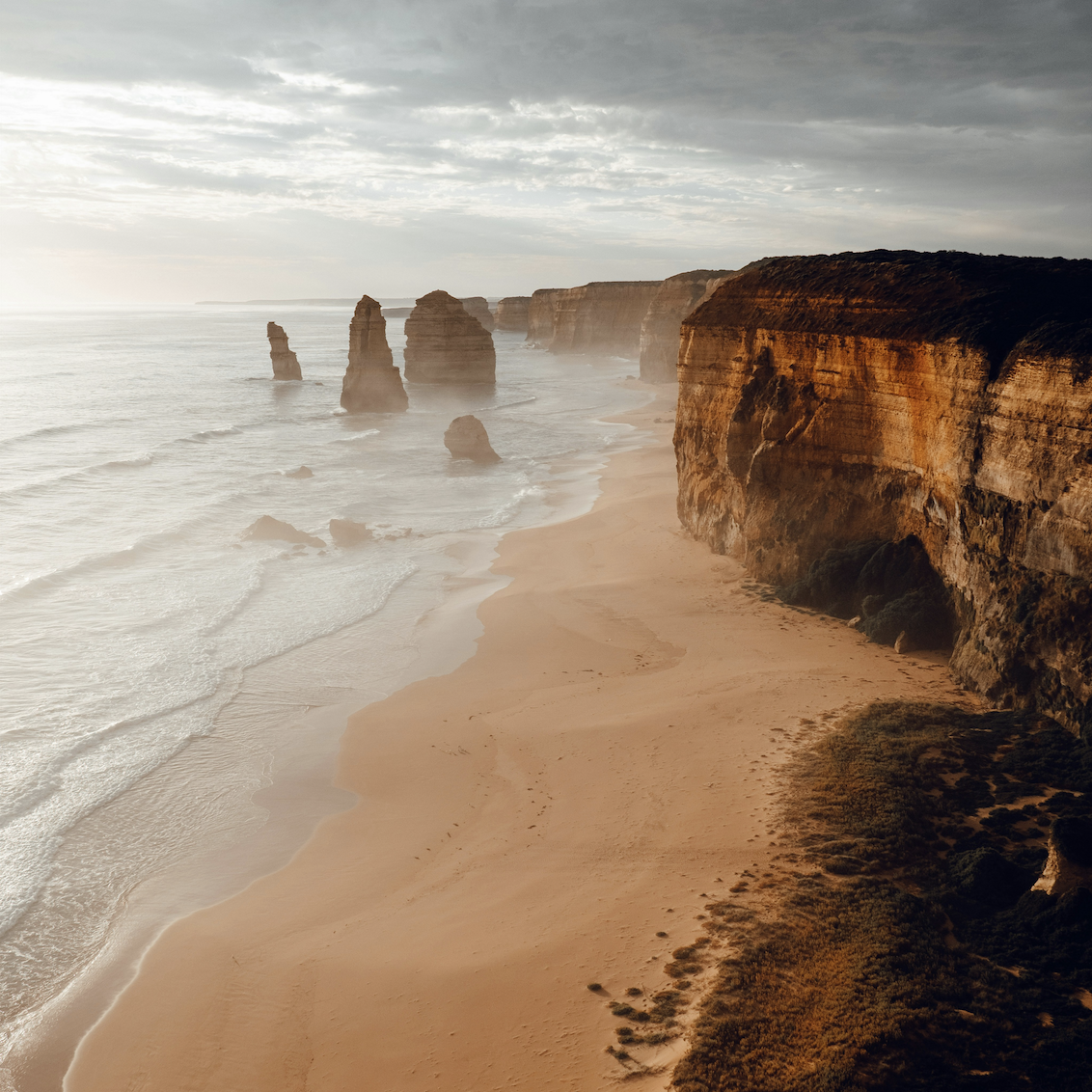
Part II of the "Living Law Series," exploring ritual, skin, and the memory of land. I wake each dawn to the soft percussion of the ocean against limestone. The Shipwreck…
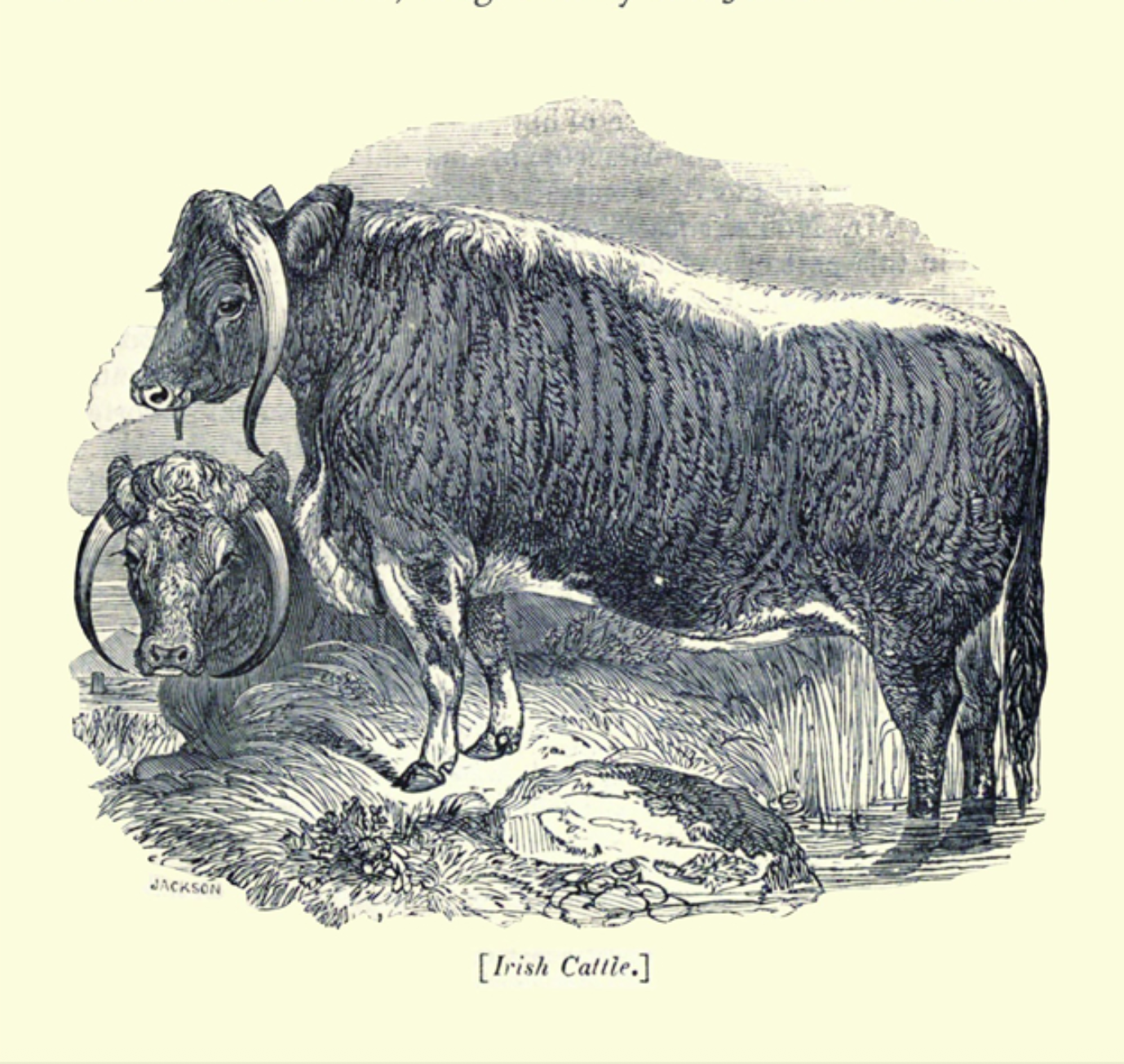
"In early times [in Ireland] wealth is not spoken of in terms of money, which was not in circulation, nor of ownership of land, but primarily in terms of livestock…